To help us provide you with free impartial advice, we may earn a commission if you buy through links on our site. Learn more
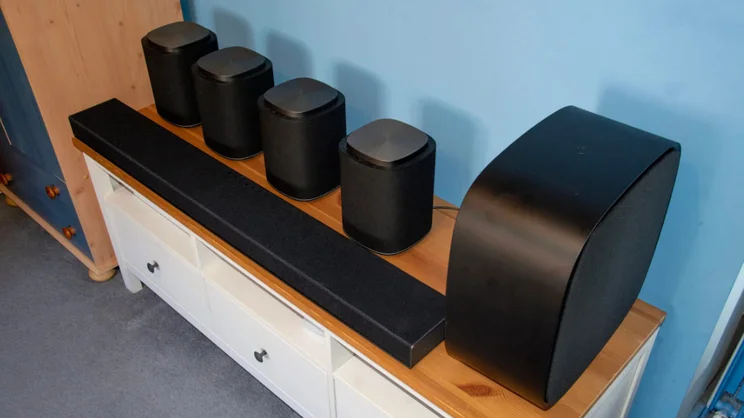
I saw a lot of potential in the LG Sound Suite when I reviewed it earlier this year, but my appraisal was ultimately pretty scathing. Buggy software and frequent disconnects meant I couldn’t recommend it as an immersive plug-and-play home audio solution.
I was far from the only tech journalist to feel that way, and, to its credit, LG has been eager to act on feedback to improve the product. To that end, it has announced and implemented several fixes and features to create a more seamless, user-friendly experience.
I’ll break down what’s new below, but first I want to share what head of LG’s Audio Business Division, Lee Jeong-seok, had to say about the current state of Sound Suite.
“LG Sound Suite was created to make immersive audio more flexible, more accessible and easier to enjoy,” he said. “These latest enhancements reflect our ongoing commitment to expanding what LG Sound Suite can do, giving consumers more freedom to build the audio experience that best fits their home, their content and the way they listen.”
LG Sound Suite: Now with DTS:X and Google Cast support
Those enhancements are certainly significant ones. For starters, the Sound Suite H7 soundbar at the heart of the Sound Suite system now supports DTS:X. This object-based audio format may not be as widely used or popular as Dolby Atmos, but its inclusion is very welcome. Support for both gives users more options in content and source devices.
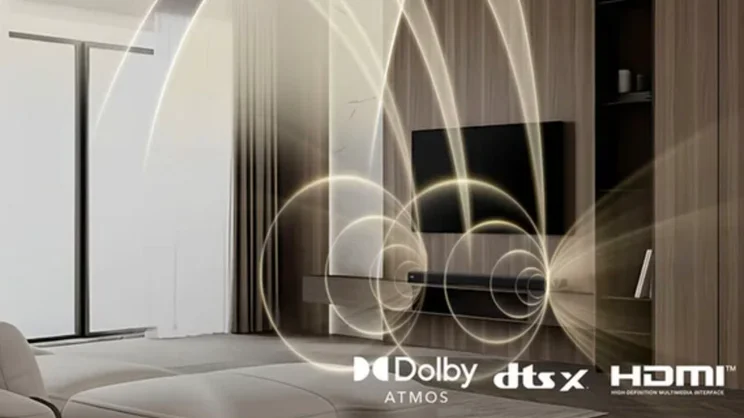
The brand has also confirmed it’s developing a new LG Media Connect Hub intended to “further expand access to DTS:X content”. It has provided no details on the Hub as yet, but hearing news about it at CES in January wouldn’t surprise me.
Google Cast support is the second compatibility upgrade. Google Cast is a super-simple way to send audio from devices other than your TV to the Sound Suite and will be a big boon for those who use their system to listen to a lot of music.
LG Sound Suite: Connectivity improvements and new configurations
Third, and perhaps most important, is that the Sound Suite now supports Wi-Fi 6 networks and 5GHz DFS channels. Connectivity issues, both during setup and general operation, plagued my testing, and LG has assured me that the latest round of updates makes the whole process a lot smoother. The proof of the pudding will be in the eating, but the expanding wireless support undoubtedly opens up the Sound Suite ecosystem to a larger demographic.
Finally, LG has confirmed that Sound Suite configurations can now include two Sound Suite W7 subwoofers. I didn’t find the Sound Suite underpowered in the bass department with a single W7 sub, but since the system targets home cinema fans looking to build a powerful, immersive, yet flexible setup, adding the option to double the low-frequency effects is a smart move.
These improvements follow a June firmware update that addressed a few aspects of the Sound Suite’s audio output, including rebalancing the subwoofer and toning down excessive bass and harsh treble to give the mid-range more presence.
Though not confirmed, I expect new Sound Suite products next year, at which point I plan to test them and see what difference these updates have made. As I said in my original Sound Suite review, there’s definitely something in the Dolby Atmos FlexConnect format. If LG can get its DAFC system running consistently and without hiccups, it could be a flexible home audio force to be reckoned with.